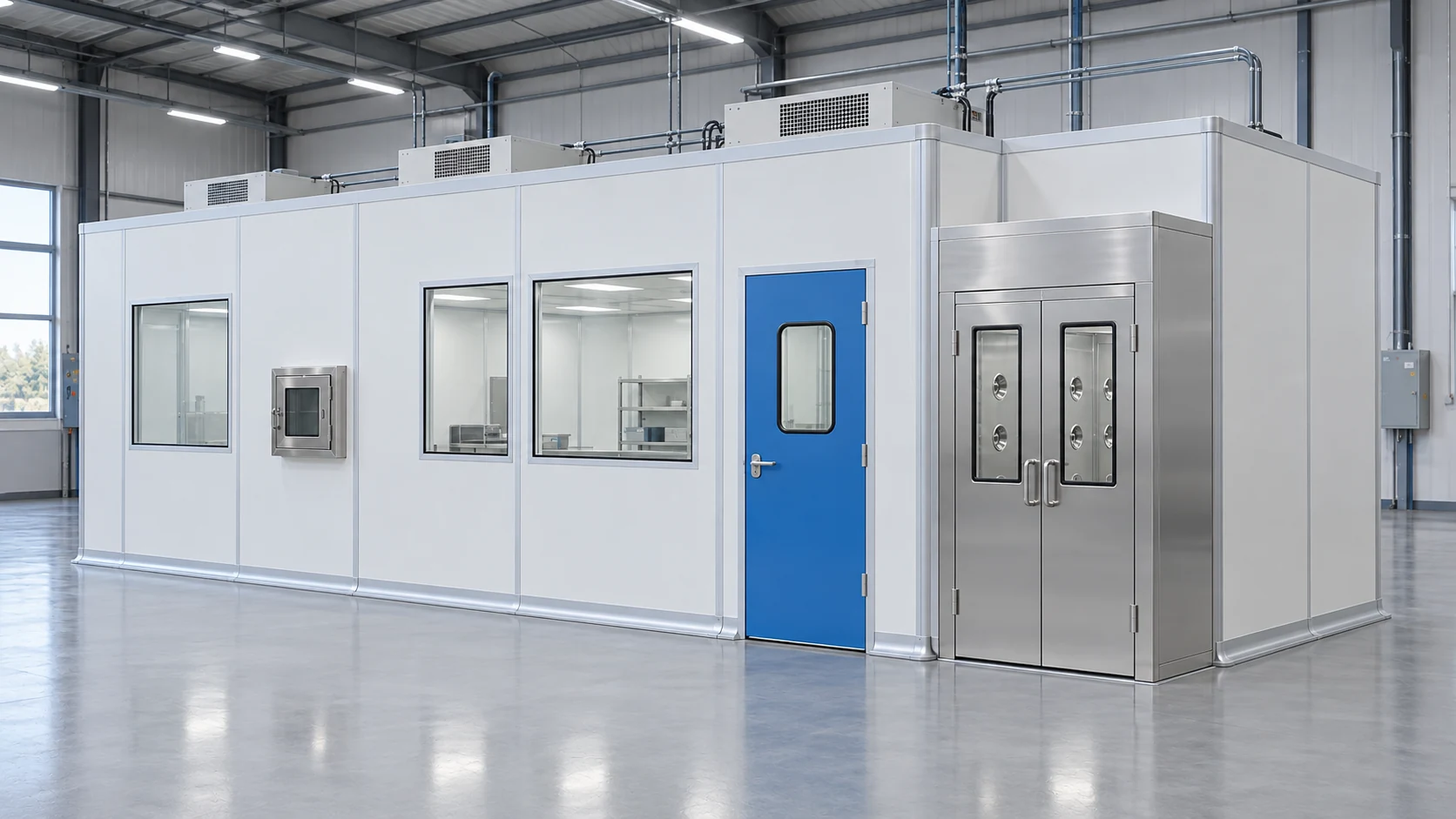
Procure the interfaces as well as the equipment
Create a package map that identifies each supplier's boundary. For a filter unit, for example, distinguish the equipment itself from its support, power, controls and surrounding ceiling detail. Apply the same method to doors, transfer devices and process services.
Assign an owner to every interface before orders are released. Gaps frequently occur where two packages each assume the other includes a fixing, seal or final connection. A shared drawing and responsibility schedule make those assumptions visible.
Coordinate revisions across packages. A changed machine position can affect utilities, openings and access even if each supplier's individual equipment remains unchanged. Review the combined layout before accepting a local change.
Configuration decisions
| Decision | What to define |
|---|---|
| Package boundaries | List what each supplier provides and where its responsibility ends. |
| Physical interfaces | Coordinate openings, supports and fixing details. |
| Service interfaces | Assign power, controls, conditioning and final connections. |
| Revision interfaces | Keep all packages aligned to the same layout revision. |
Who should own an interface shared by two suppliers?
Assign a named responsible party in the project scope. Shared discussion is useful, but an interface without an accountable owner can remain unresolved until installation.