Select a view. Click the large image to open it full size.
Cleanroom Mops
Microfiber and Sponge Flat Mop
| Style | Flat mop with tie-on cover and sponge insert |
|---|---|
| Material | HK6009 microfiber fabric with sponge |
| Nominal size (mm) | 400 × 120 |
| Handle length | 72–177 cm; extended configuration |
| Cover packing | 10 pieces/inner pack; 10 inner packs/bag; 10 bags/carton |
| Cleanliness options | Class 100; Class 1000; custom supply grades |
| Documentation options | RoHS, cleanliness and sterilization reports for the selected supply grade; availability to be confirmed |
| Application sectors | Electronics, chemical processing, laboratories, semiconductors, precision electronics, pharmaceutical production and biomedical facilities |
HK6009 identifies the fabric option. Confirm the cover, sponge and frame combination together; extended reach does not establish suitability for every surface or cleaning agent.
Cover dimensions, sponge configuration and handle requirements can be customized for the application.
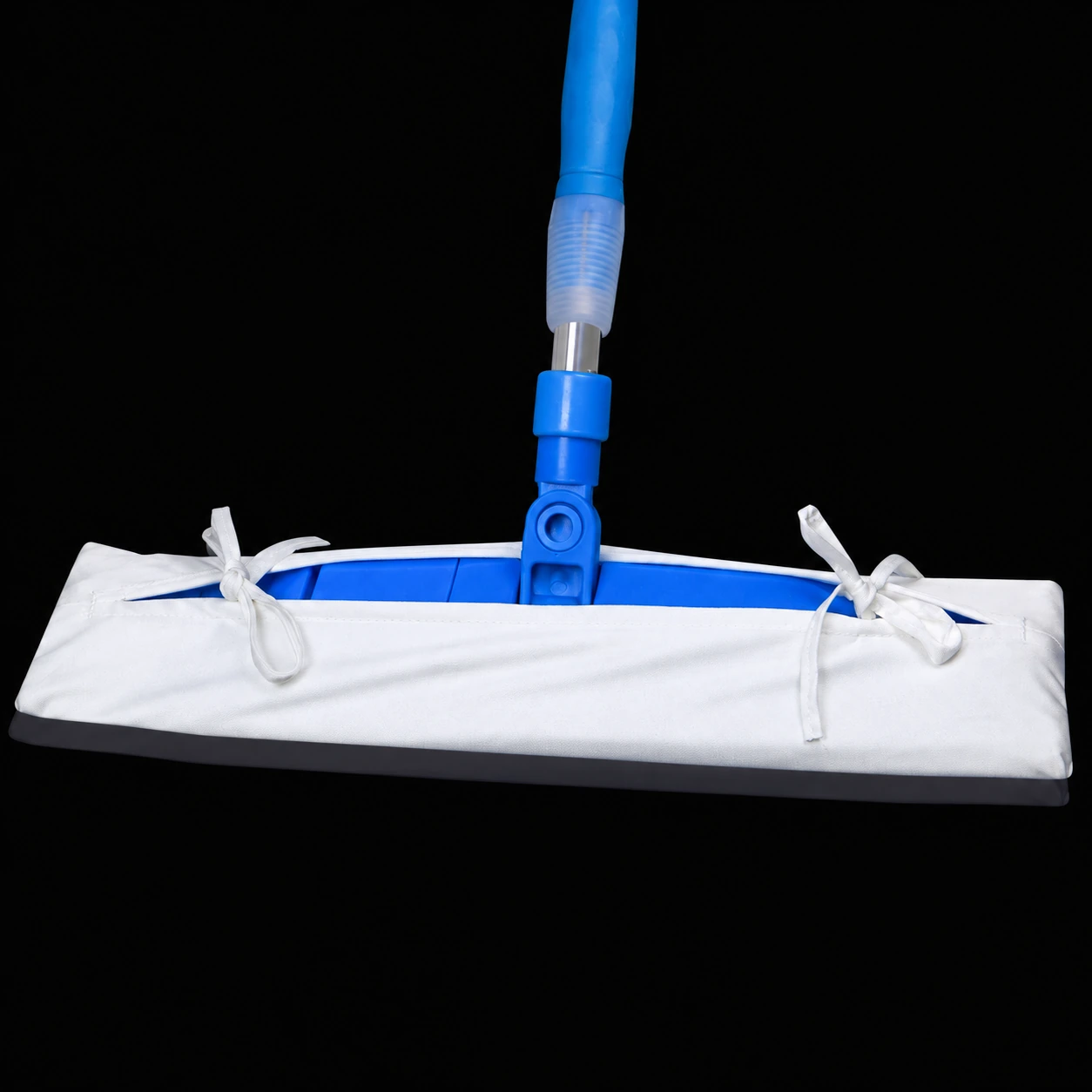
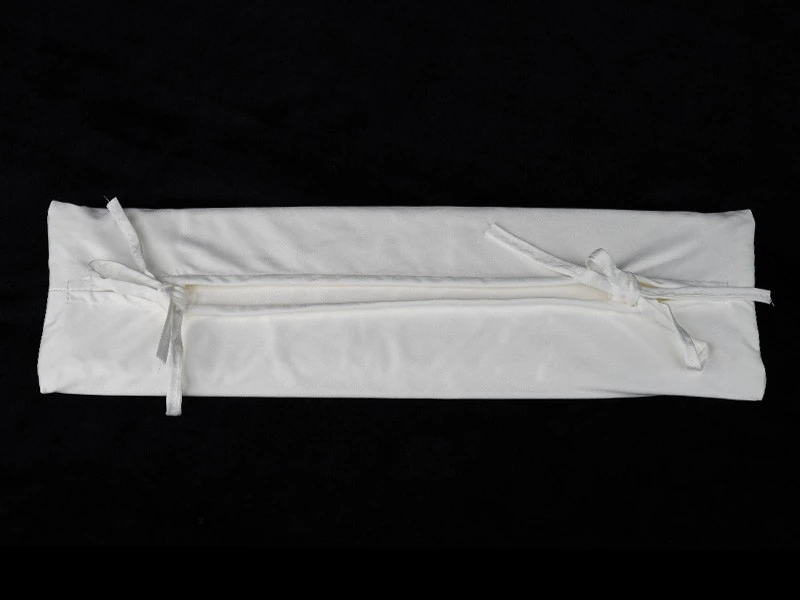
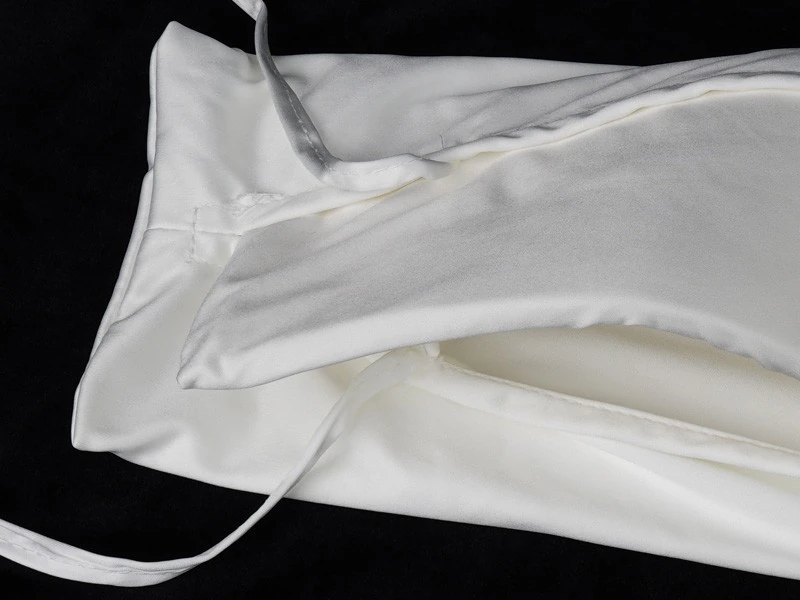
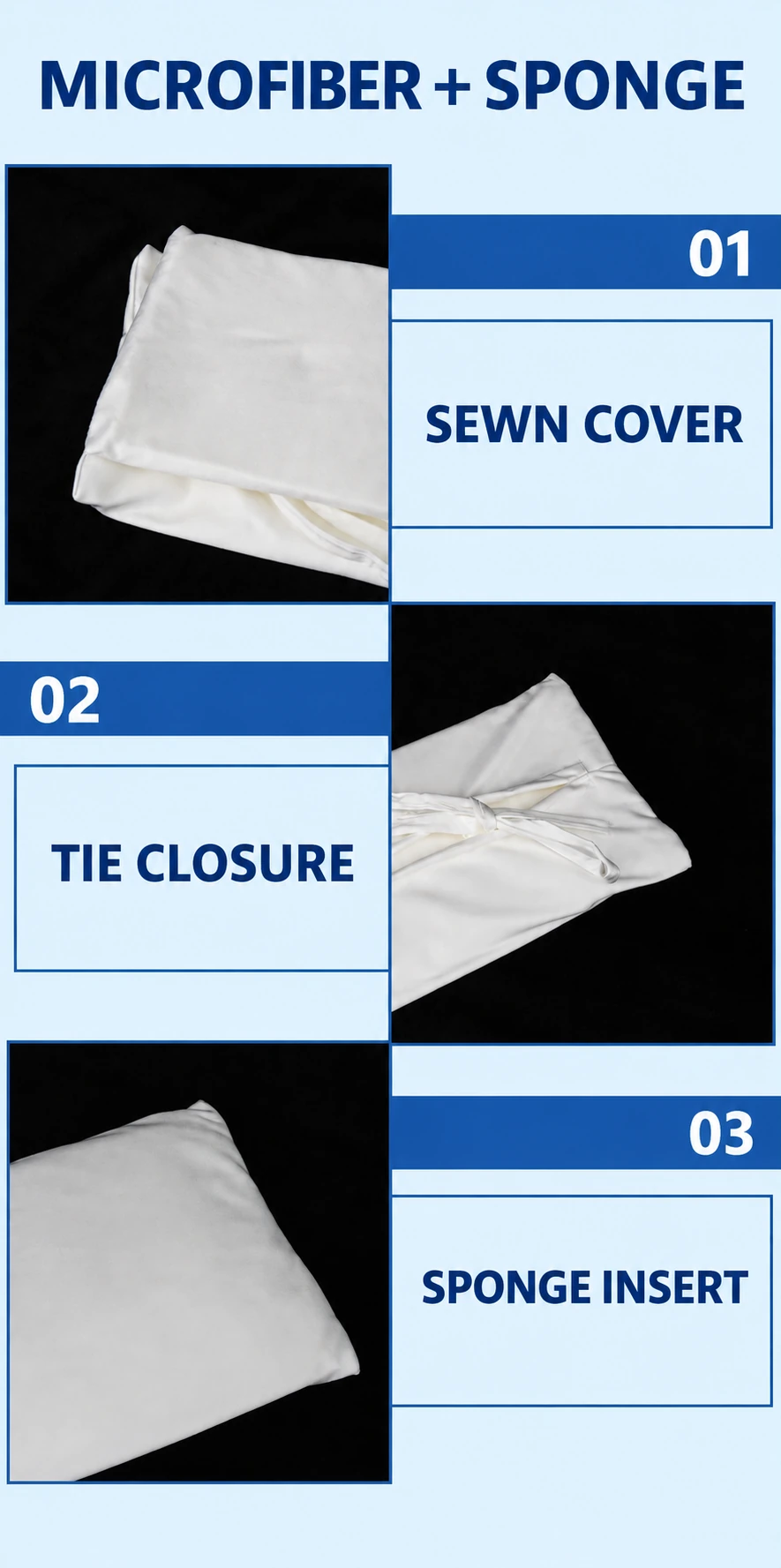
A microfiber outer cover surrounds a sponge insert to combine a wiping face with a cushioned absorbent layer. The tie closure opens for access to the insert and secures the cover around a compatible flat mop frame.
Two layers with different jobs
The microfiber cover is the surface-contact layer. Beneath it, the sponge provides a compressible reservoir for cleaning liquid and supports the cloth against the frame. Keeping these roles separate helps when choosing between a fabric-only cover and a padded cleaning head.
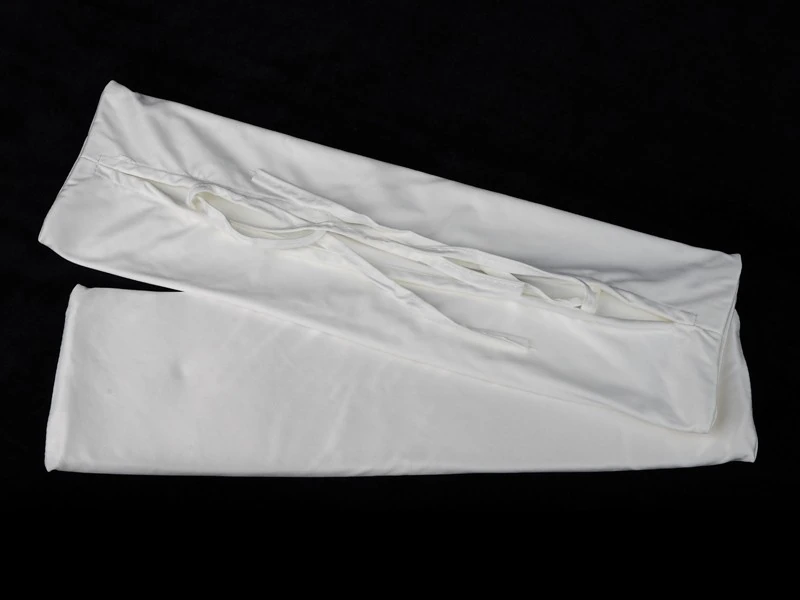
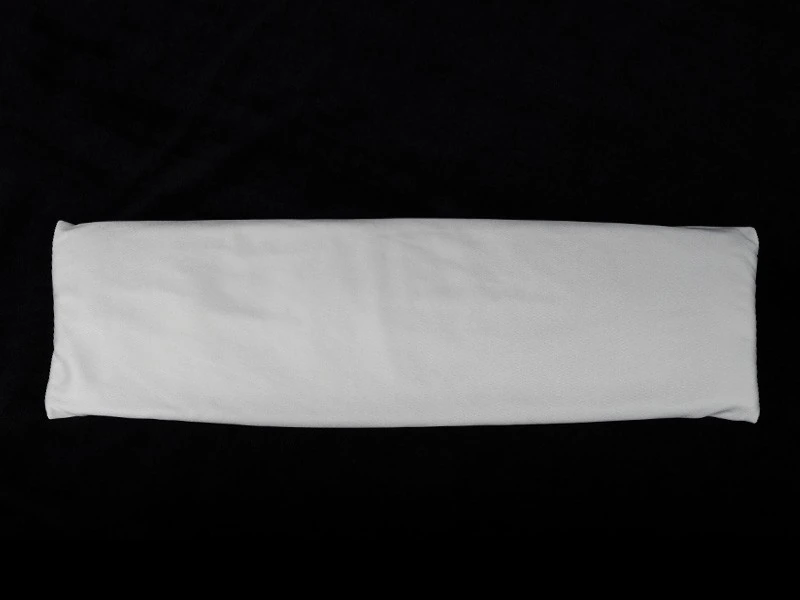
The outer cover opens at the back and is retained with ties. The product photographs show the cover and sponge insert separately, making it easier to check the arrangement before ordering replacements. Both parts need to fit the same frame without bunching at the ends.
Manage liquid through the whole pad
A sponge can hold liquid after the outer face appears dry. The amount of liquid loaded, pressure applied during a pass and time between changes all affect handling. Use the cleaning procedure to define preparation and change frequency, rather than judging the pad only by the appearance of its outer cloth.
Use extended reach without losing contact
An extended handle can improve access to higher or more distant surfaces. At longer reach, control of the head and even contact become more important. Check the working angle, clearance and operator position on the intended surface before selecting the handle arrangement.
The insert should remain fully enclosed during use. Retire a pad if the cover opens, a seam tears or the insert becomes exposed. If reuse is planned, define a compatible cleaning and drying method for both the textile and the sponge; a clean outer surface alone does not establish that the inner layer is ready for use.
Choose the padded or fabric-only construction
This construction suits requests for a microfiber contact face with a separate sponge layer. The Microfiber Flat Mop uses a double-layer textile cover without that separate insert. Compare the required wetness, frame fit and handling method when choosing between them.
Cover dimensions, sponge configuration and handle requirements can be customized for the application.