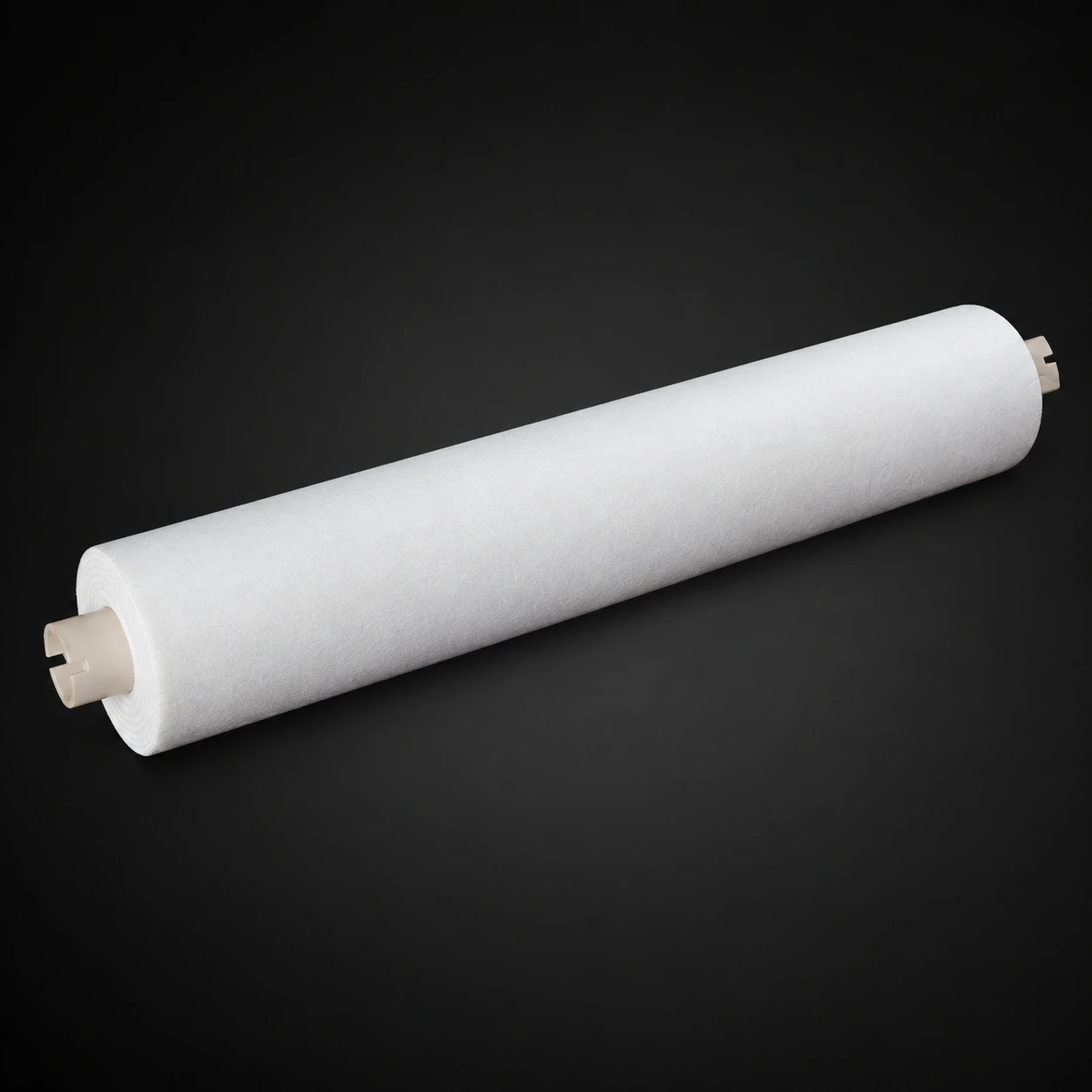
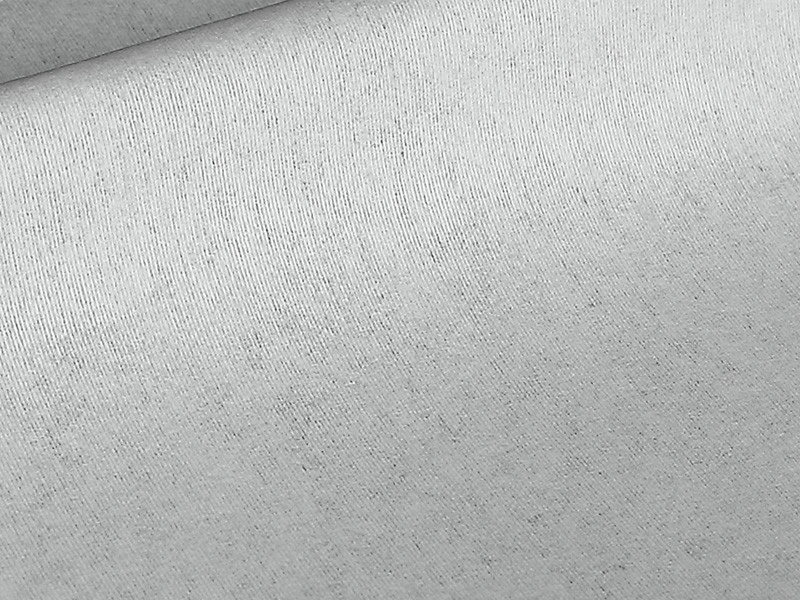
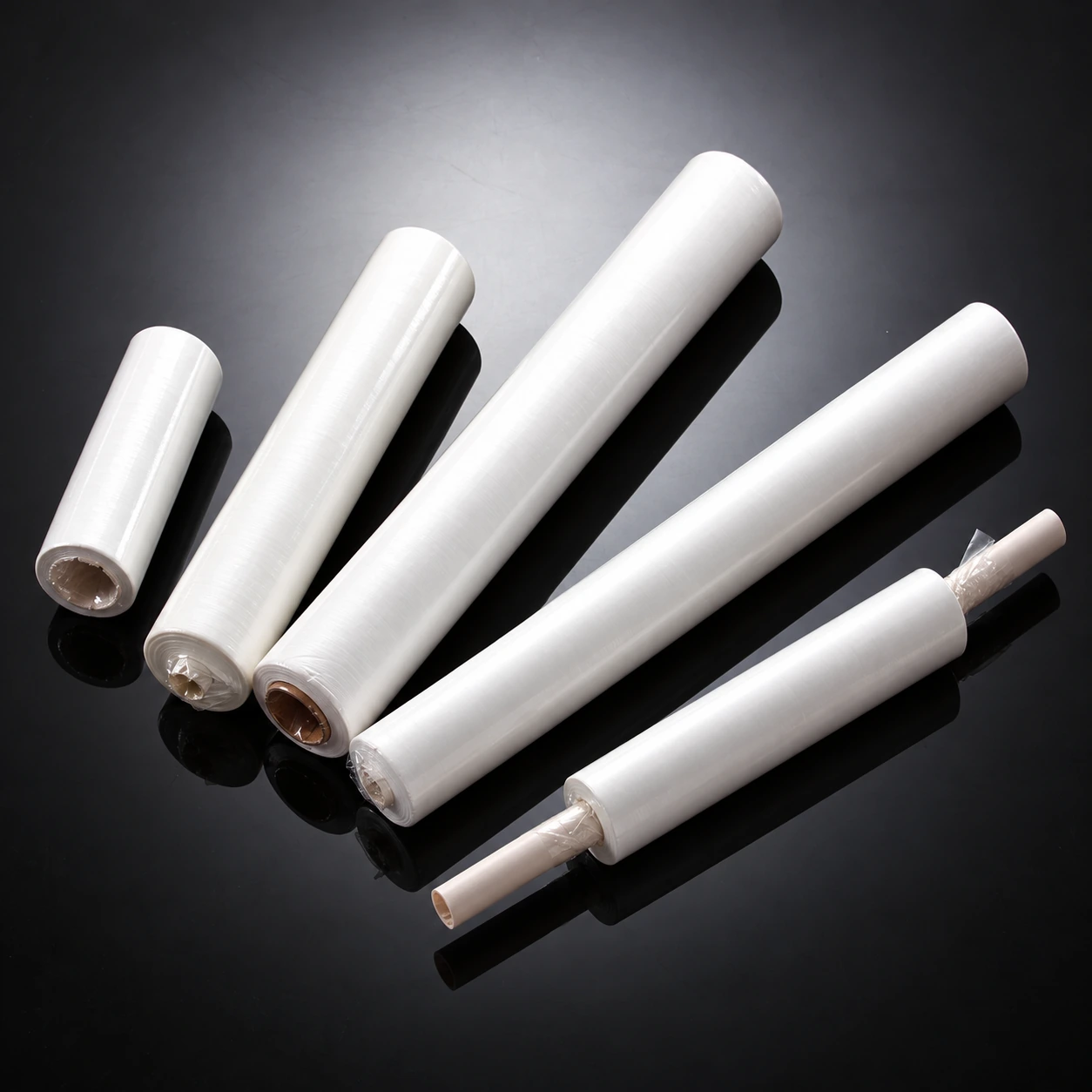
Open a product image to view its full detail. Range photographs show different converted formats.
Cleanroom Paper Rolls
Cleanroom Paper Roll NB-MF50G
| Material | 50% wood pulp / 50% polyester |
|---|---|
| Basis weight | 50 g/m² |
| Roll width × length | 380 mm × 10 m |
| Core type; Ø × length | Single-slot plastic core; Ø8.3 × 410 mm |
| Water absorption* | ≥230 |
| Packing | 40 rolls / carton |
Listed configuration; custom sizes available. *Absorption unit and test method are not specified, so the figure is not a verified comparison value. Confirm the core bore and end profile against the machine drawing.
Roll dimensions, core configuration and packaging can be customized to the application and approved machine interface.
NB-MF50G is a 50 g/m² pulp/polyester wiping material offered on a slotted plastic core. The slot geometry and tube fit are part of the specification for the selected cleaning cassette.
A slotted-core roll for a matched printer interface
NB-MF50G is a light-basis-weight pulp/polyester wiping roll with a slotted plastic-core configuration. The slot is a functional interface, not simply a cosmetic difference from a plain-ended roll. Its engagement with the printer's drive or holder must be checked along with the tube dimensions.
The wiping web is used to collect residue during automated stencil underside cleaning. Its suitability depends on stable feeding and on the cleaning process selected for the paste, stencil and equipment. The product name does not establish that it fits every machine within a printer brand.
What to measure on the existing core
Take measurements from an undamaged core that is known to work in the machine. Record its end-to-end length, bore, outer diameter and any ribs. For the slot, record width, depth, number and position. Include a photograph of each end and identify which end drives the roll. These details avoid interpreting a single nominal diameter as a complete interface specification.
Also identify how the material is wound relative to the tube ends. Equal overall core lengths can carry different web positions, and a correctly sized tube can still place the wiping surface off centre.
Evaluate a lighter material without assuming equivalence
Less mass per square metre does not automatically mean fewer effective cleaning cycles, nor does it prove the same performance as a heavier grade. Evaluate fluid distribution, web integrity and residue pickup under the intended settings. Pay particular attention to the used web at the end of the cleaning stroke, where the material has experienced both loading and contact.
Keep supply and use specifications together
The carton quantity is a packing format; it is not a statement of how many boards a roll will clean. Consumption varies with advance length, cleaning frequency and the printing process. Track actual roll changes on the line to establish replenishment needs, then keep the approved core drawing attached to the ordering code.
Separate accepted rolls from samples being evaluated. Store opened rolls so their exposed edges cannot collect debris, and bring only the required quantity to the loading station. The configuration can be customized to the machine interface and handling requirements.
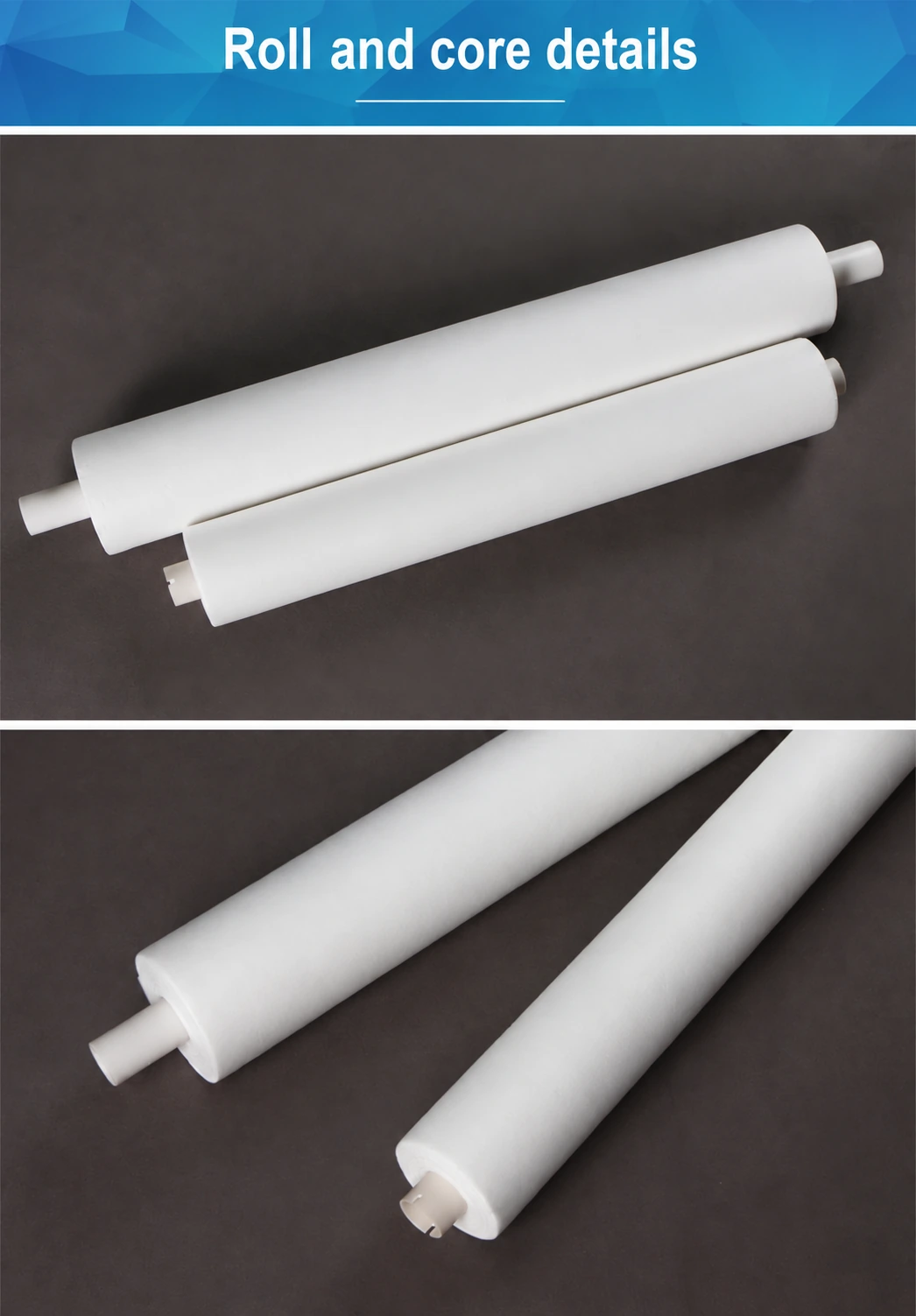
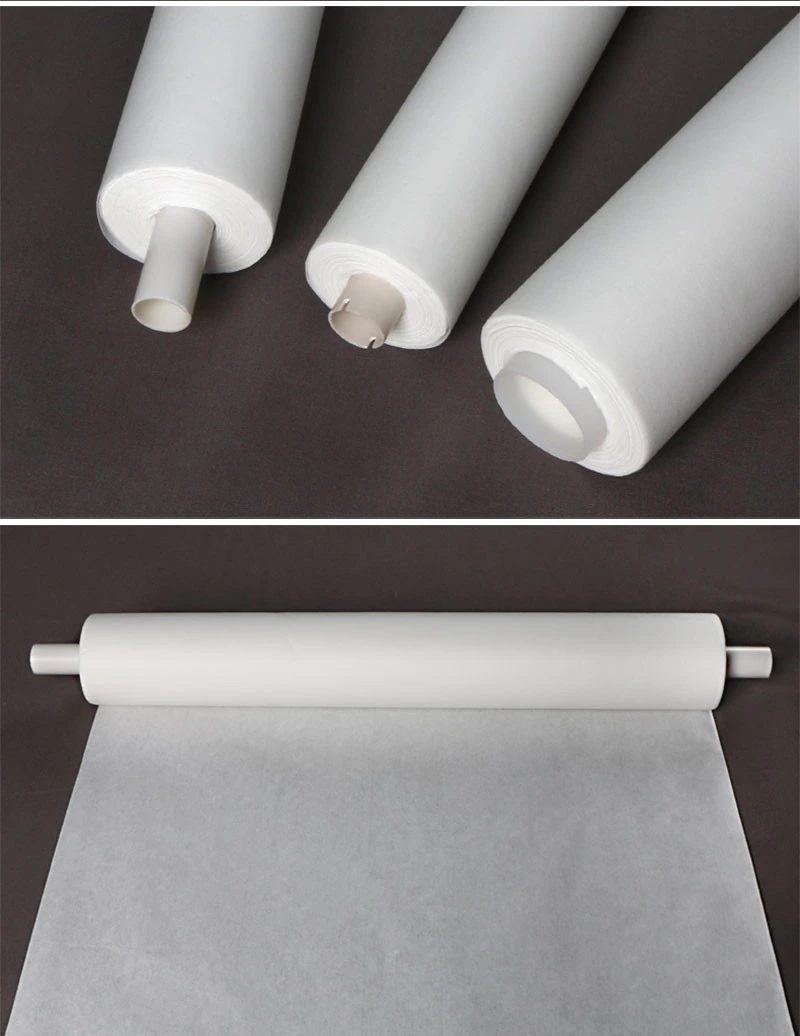
Core profiles and converted roll details
Plain, single-slot, cross-slot and ribbed cores use different mounting arrangements. The photographs show available format types across the roll range. Confirm the selected construction, bore, end dimensions and winding position for the individual order.
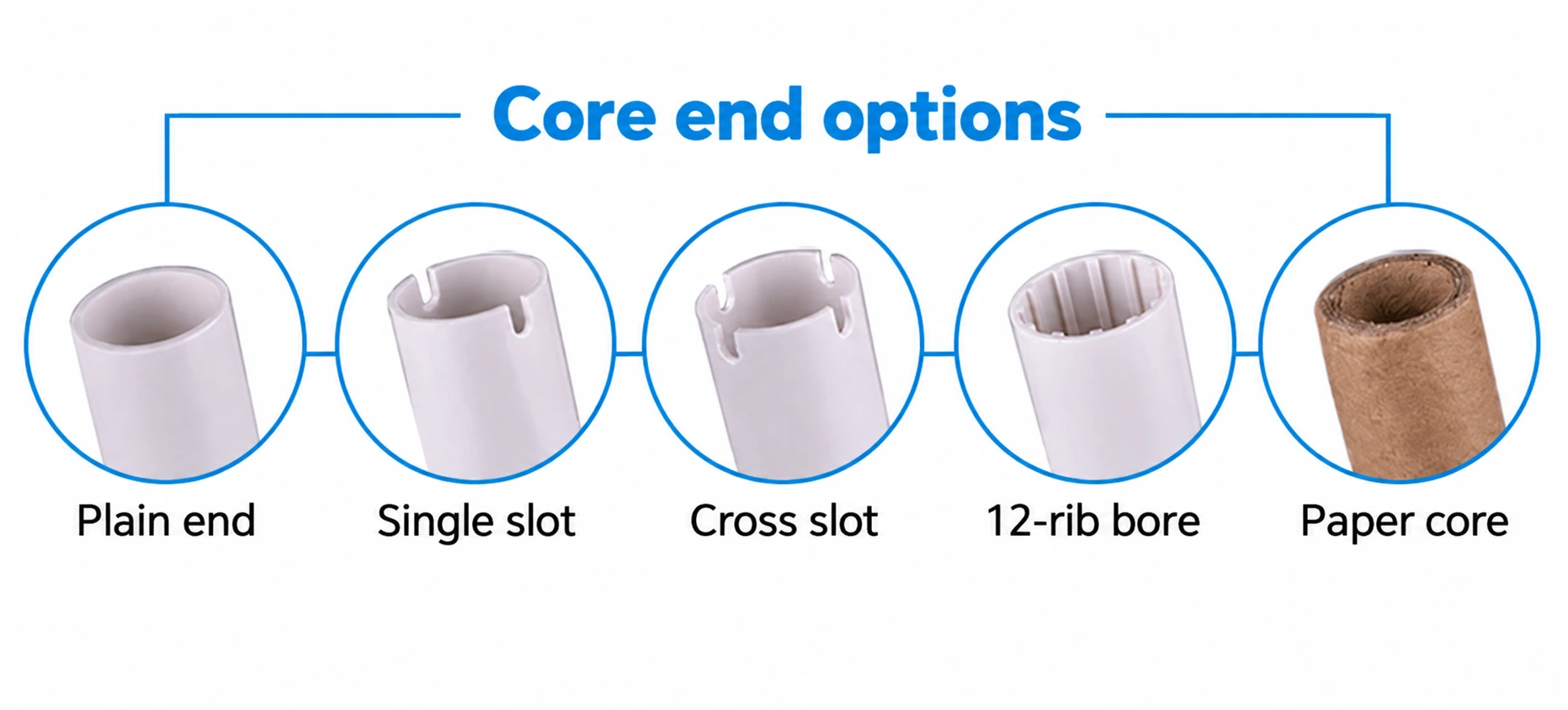
Printer-family format guide
These format combinations are provided for checking conversion requirements. A printer brand can use several cleaning assemblies: verify the exact model and installed cassette before selecting a row. Dimensions are core length, core inner diameter, paper width and wound paper length; they do not specify the complete slot geometry or guarantee fit.
| Printer family | Core length (mm) | Core ID (mm) | Paper width (mm) | Paper length (m) | Core / end |
|---|---|---|---|---|---|
| MPM | 455 | 19.5 | 250 | 10 | 12-rib bore / plain end |
| MPM | 455 | 19.5 | 280 | 10 | 12-rib bore / plain end |
| MPM | 455 | 19.5 | 200 | 10 | 12-rib bore / plain end |
| MPM | 455 | 19.5 | 350 | 10 | 12-rib bore / plain end |
| JUKI | 270 | 38 | 200 | 10 | Plastic / plain end |
| JUKI | 408 | 38 | 250 | 10 | Plastic / plain end |
| YAMAHA | 535 | 26 | 500 | 13 | Paper / plain end |
| YAMAHA | 360 | 25.5 | 350 | 10 | Paper / plain end |
| YAMAHA | 420 | 25.5 | 400 | 10 | Paper / plain end |
| DEK | 530 | 19.6 | 250 | 10 | Plastic / single slot |
| DEK | 530 | 19.6 | 300 | 10 | Plastic / single slot |
| DEK | 530 | 19.6 | 400 | 10 | Plastic / single slot |
| DEK | 530 | 19.6 | 490 | 10 | Plastic / single slot |
| DEK | 530 | 19.6 | 510 | 10 | Plastic / single slot |
| SONY | 280 | 19.6 | 260 | 20 | Plastic / single slot |
| MINAMI | 290 | 8 | 270 | 15 | Plastic / single slot |
| MINAMI | 410 | 8 | 350 | 10 | Plastic / single slot |
| FUJI | 500 | 26 | 500 | 10 | Plastic / single slot |
| GKG | 410 | 19.6 | 400 | 10 | Plastic / plain end |
| KME | 480 | 38 | 480 | 20 | Plastic / cross slot |
Roll dimensions, core configuration and packaging can be customized to the application and approved machine interface.