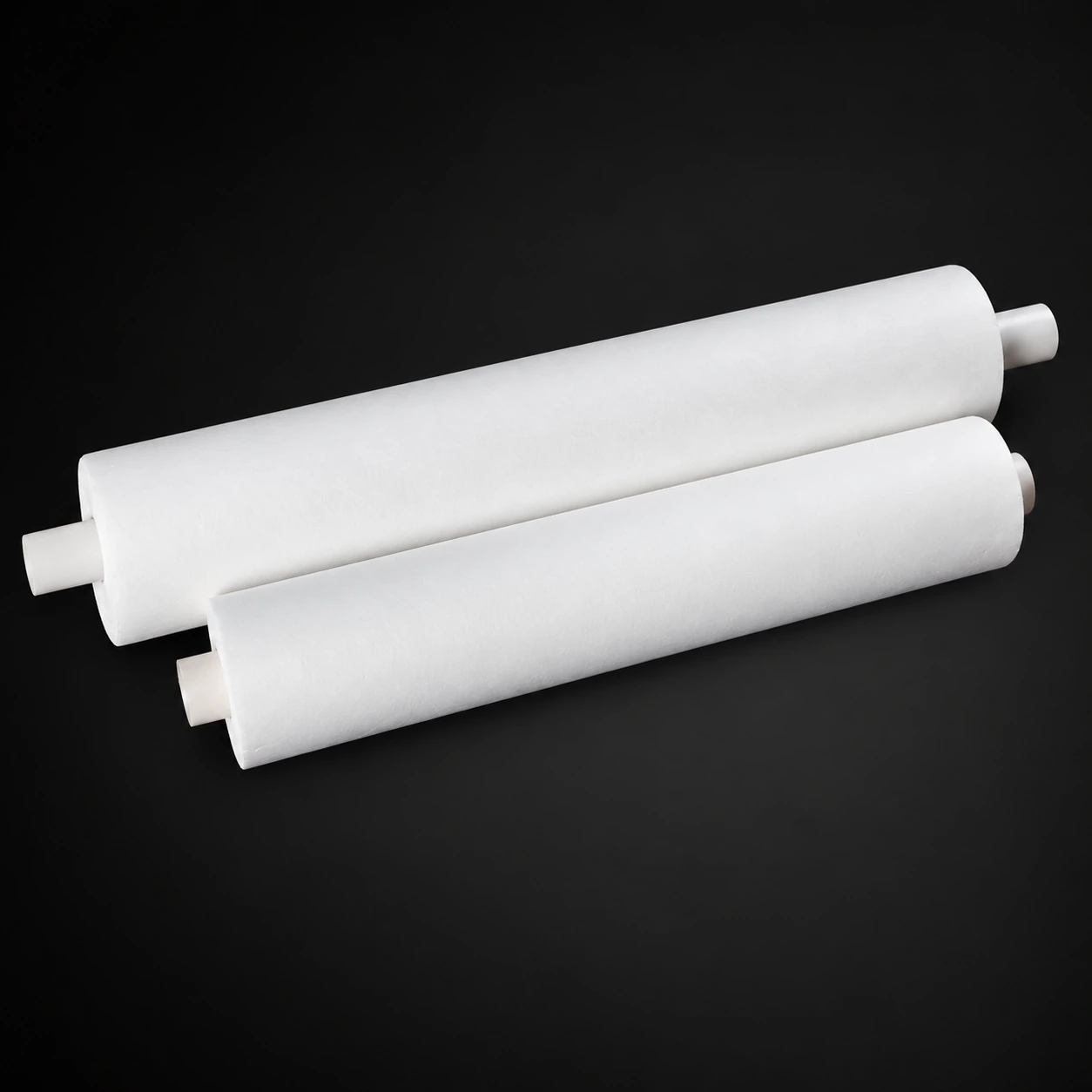

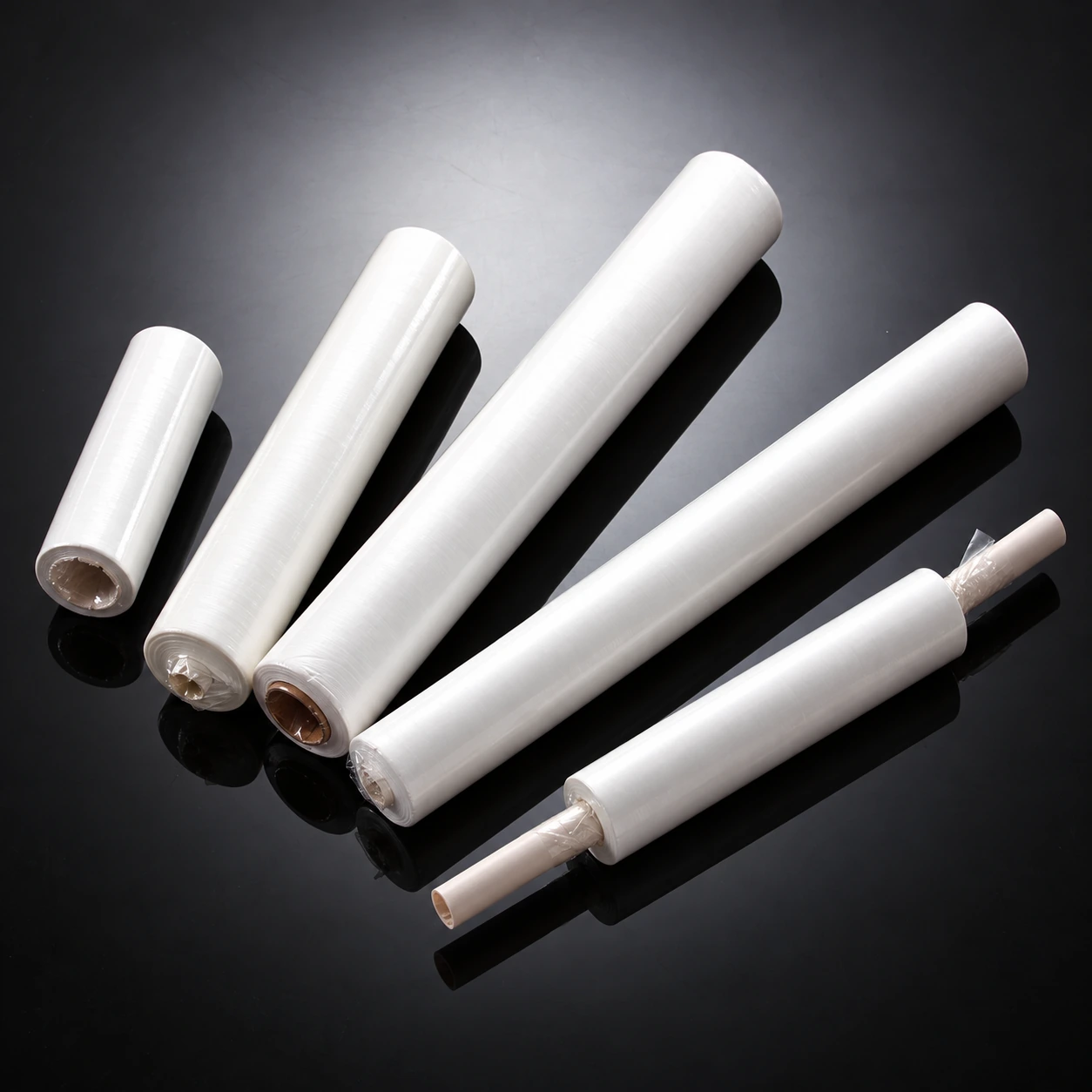
Open a product image to view its full detail. Range photographs show different converted formats.
Cleanroom Paper Rolls
Cleanroom Paper Roll MS-MF60G
| Material | 50% wood pulp / 50% polyester |
|---|---|
| Basis weight | 60 g/m² |
| Roll width × length | 380 mm × 10 m |
| Core type; Ø × length | Plain plastic core; Ø19.4 × 530 mm |
| Water absorption* | ≥230 |
| Packing | 20 rolls / carton |
Listed configuration; custom sizes available. *Absorption unit and test method are not specified, so the figure is not a verified comparison value. Confirm the core bore and end profile against the machine drawing.
Roll dimensions, core configuration and packaging can be customized to the application and approved machine interface.
MS-MF60G pairs a 60 g/m² pulp/polyester web with a plain-ended plastic core. Its roll format is selected around paper coverage, spindle engagement and the clearance available in the printer cassette.
Specify the complete roll, not just its material code
MS-MF60G combines a pulp/polyester wiping web with a plain-ended plastic core. It is intended for automated stencil wiping in electronics assembly. When the roll feeds through the cleaning head, the contact surface removes residue from the stencil underside and the take-up mechanism separates used material from the next clean section.
A purchasing description needs three connected elements: the wiping material, the winding dimensions and the drive interface. The material code identifies the grade; it does not uniquely identify every printer cassette or every custom size. Keeping those elements together helps prevent a replacement that has the correct fabric but the wrong mounting arrangement.
Three checks before loading a replacement
- Compare the core. Check its total length, bore, end profile and the way it sits in the holders. A plain tube cannot be assumed to replace a notched drive tube.
- Compare the web. Confirm the paper width, wound position and feed direction against the installed roll. The material should reach the intended wiping area without rubbing the cassette sides.
- Compare the wound package. Verify clearance for the new roll and for the used material on the take-up side. Equal roll lengths do not imply equal outside diameters when the material changes.
When wiping leaves a broad smear
Look at where the smear starts and whether it follows the wiping direction. A saturated web, poor contact or insufficient advancement can repeatedly move residue over the same surface. Change one process variable at a time and inspect both the underside and the next printed board. A heavier or more absorbent roll should not be used to conceal an incorrectly set cleaning mechanism.
Make repeat supply easier to identify
Use the approved material code and dimensional drawing as the reorder reference. Keep a labelled retained sample if different printers share the same storage area. The packaging photographs show roll formats; they do not determine the quantity or core profile of an individual order. Agree those details together with the packaging requirements before supply.
For cleaning tasks carried out by hand rather than an automatic feed mechanism, review the separate Cleanroom Wipes range.
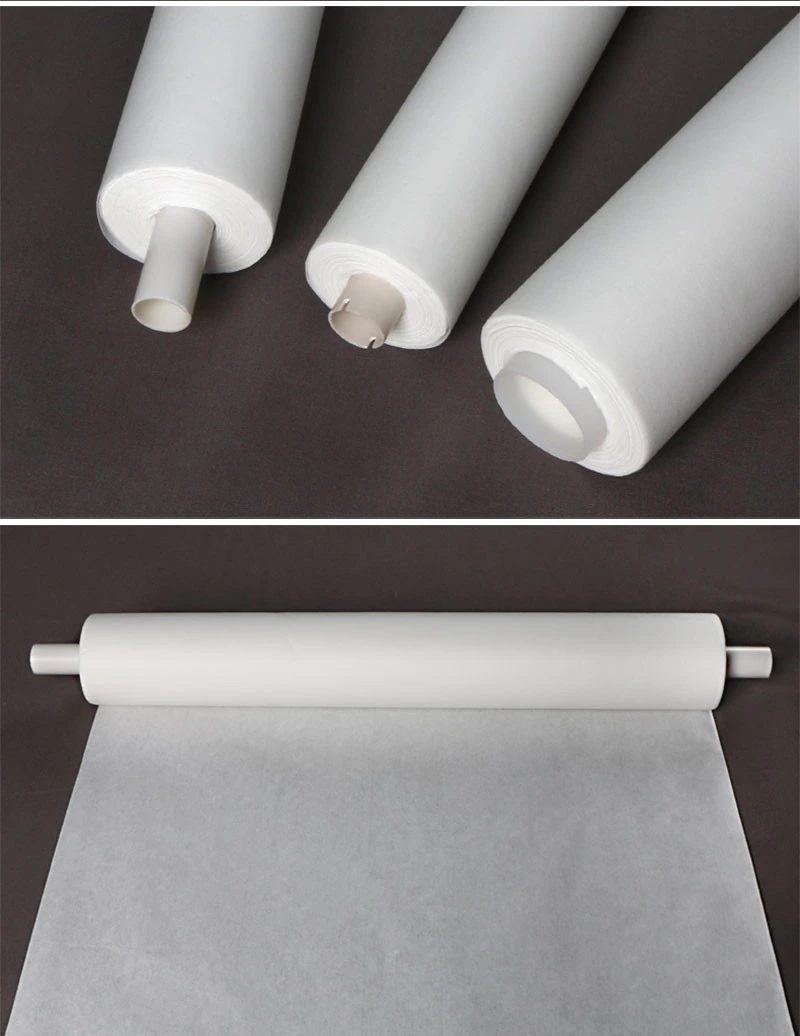
Core profiles and converted roll details
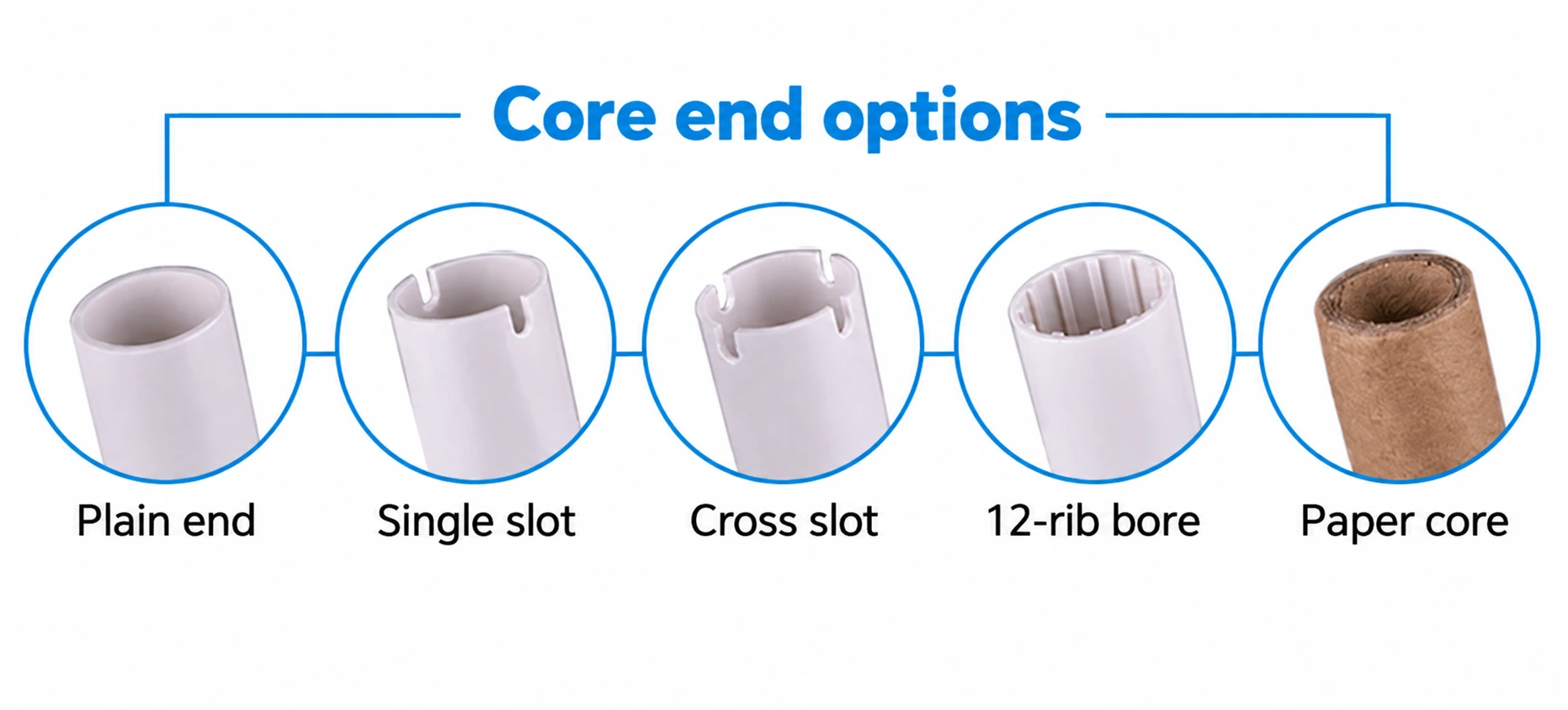
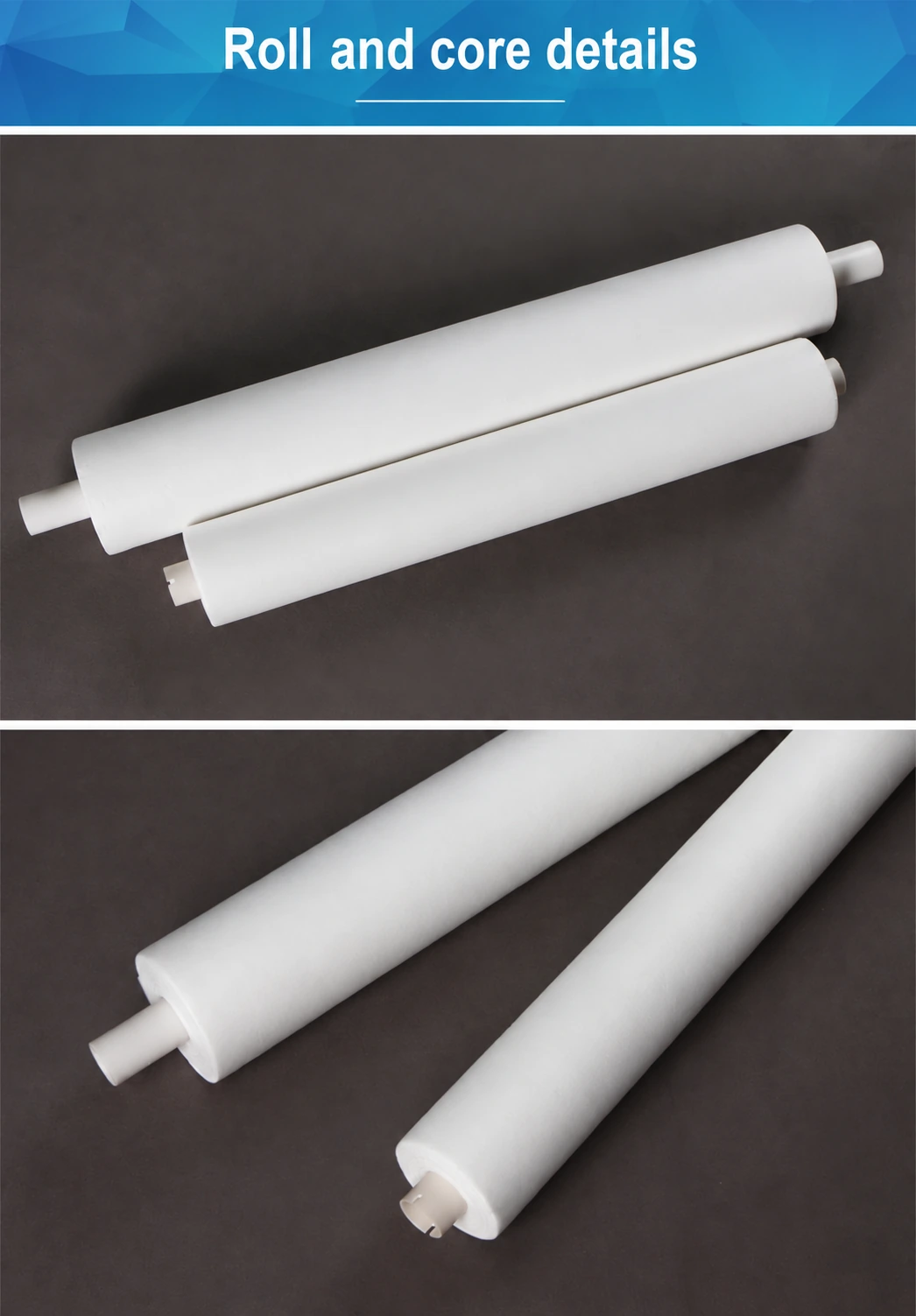
Plain, single-slot, cross-slot and ribbed cores use different mounting arrangements. The photographs show available format types across the roll range. Confirm the selected construction, bore, end dimensions and winding position for the individual order.
Printer-family format guide
These format combinations are provided for checking conversion requirements. A printer brand can use several cleaning assemblies: verify the exact model and installed cassette before selecting a row. Dimensions are core length, core inner diameter, paper width and wound paper length; they do not specify the complete slot geometry or guarantee fit.
| Printer family | Core length (mm) | Core ID (mm) | Paper width (mm) | Paper length (m) | Core / end |
|---|---|---|---|---|---|
| MPM | 455 | 19.5 | 250 | 10 | 12-rib bore / plain end |
| MPM | 455 | 19.5 | 280 | 10 | 12-rib bore / plain end |
| MPM | 455 | 19.5 | 200 | 10 | 12-rib bore / plain end |
| MPM | 455 | 19.5 | 350 | 10 | 12-rib bore / plain end |
| JUKI | 270 | 38 | 200 | 10 | Plastic / plain end |
| JUKI | 408 | 38 | 250 | 10 | Plastic / plain end |
| YAMAHA | 535 | 26 | 500 | 13 | Paper / plain end |
| YAMAHA | 360 | 25.5 | 350 | 10 | Paper / plain end |
| YAMAHA | 420 | 25.5 | 400 | 10 | Paper / plain end |
| DEK | 530 | 19.6 | 250 | 10 | Plastic / single slot |
| DEK | 530 | 19.6 | 300 | 10 | Plastic / single slot |
| DEK | 530 | 19.6 | 400 | 10 | Plastic / single slot |
| DEK | 530 | 19.6 | 490 | 10 | Plastic / single slot |
| DEK | 530 | 19.6 | 510 | 10 | Plastic / single slot |
| SONY | 280 | 19.6 | 260 | 20 | Plastic / single slot |
| MINAMI | 290 | 8 | 270 | 15 | Plastic / single slot |
| MINAMI | 410 | 8 | 350 | 10 | Plastic / single slot |
| FUJI | 500 | 26 | 500 | 10 | Plastic / single slot |
| GKG | 410 | 19.6 | 400 | 10 | Plastic / plain end |
| KME | 480 | 38 | 480 | 20 | Plastic / cross slot |
Roll dimensions, core configuration and packaging can be customized to the application and approved machine interface.