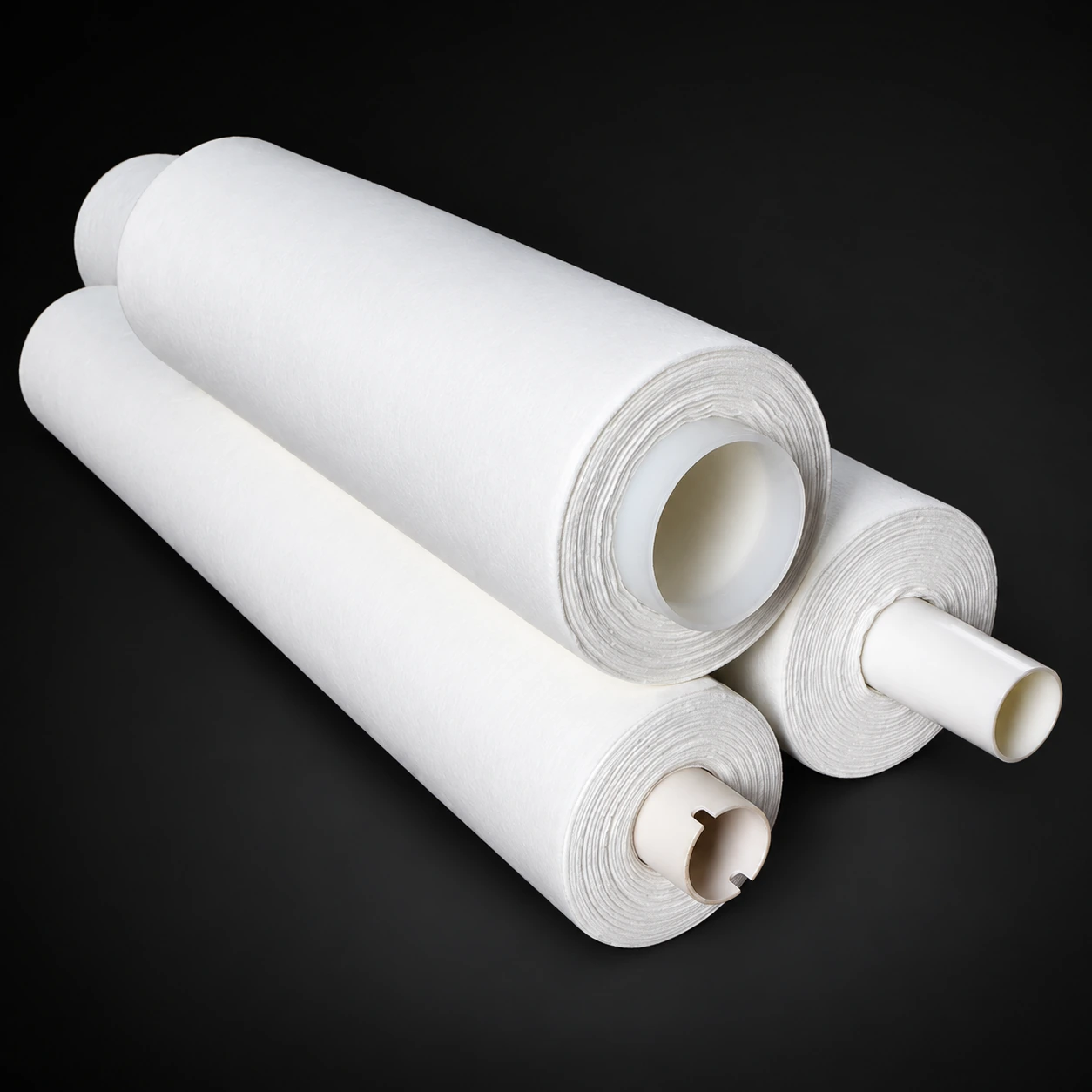

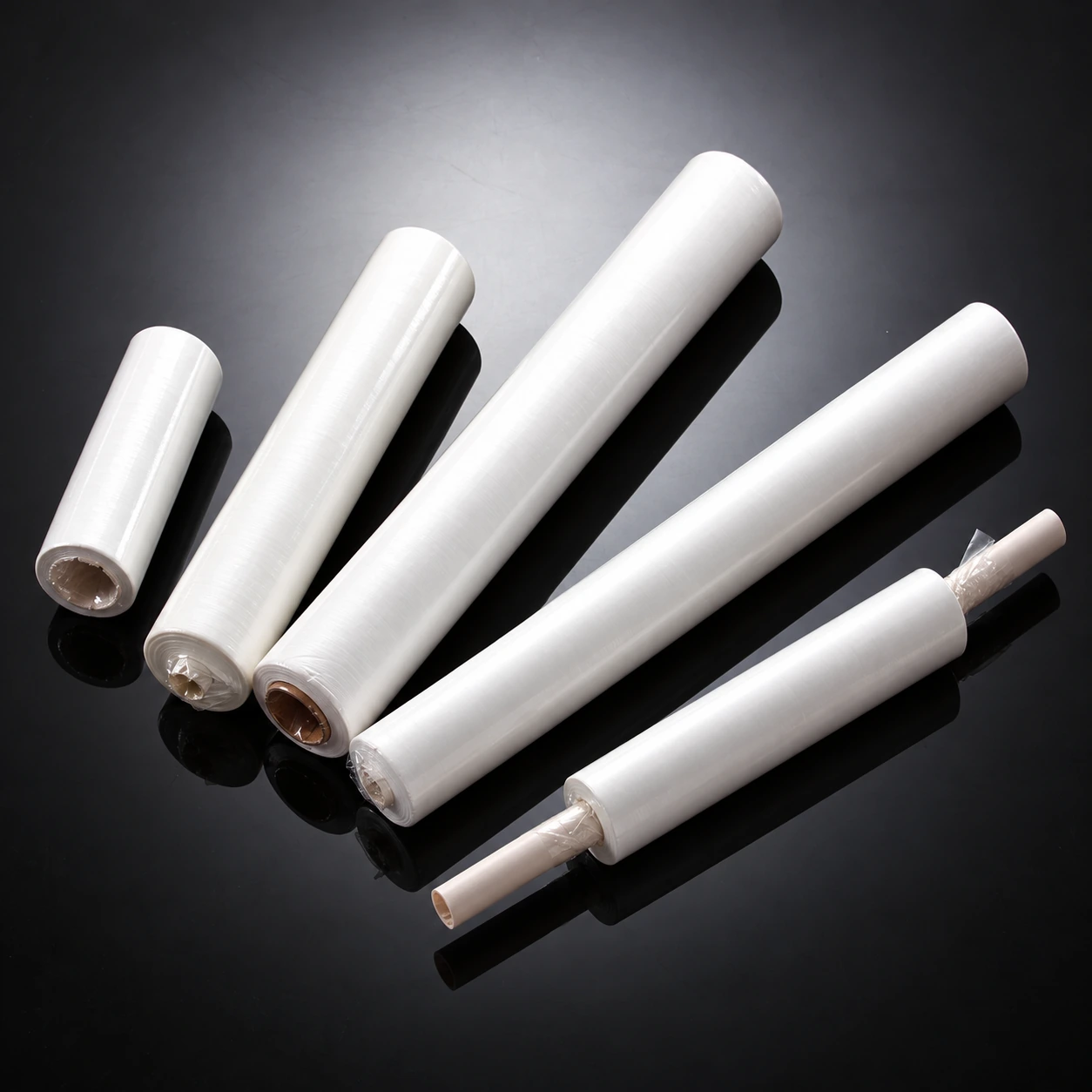
Open a product image to view its full detail. Range photographs show different converted formats.
Cleanroom Paper Rolls
Cleanroom Paper Roll MS-MF55G
| Material | 50% wood pulp / 50% polyester |
|---|---|
| Basis weight | 55 g/m² |
| Roll width × length | 300 mm × 9 m |
| Core type; Ø × length | Plain plastic core; Ø19.4 × 450 mm |
| Water absorption* | ≥230 |
| Packing | 20 rolls / carton |
Listed configuration; custom sizes available. *Absorption unit and test method are not specified, so the figure is not a verified comparison value. Confirm the core bore and end profile against the machine drawing.
Roll dimensions, core configuration and packaging can be customized to the application and approved machine interface.
MS-MF55G is a 55 g/m² pulp/polyester wiping roll for automated SMT stencil cleaning. Match the wiping width and core interface to the cleaning assembly, then evaluate residue removal under the production recipe.
A controlled wiping web for stencil undersides
MS-MF55G is a wood-pulp and polyester roll for the wiping stage of an SMT stencil printer. The continuous web presents a fresh section of material to the stencil underside, collects loosened paste and carries the used section away. Its purpose is to support a repeatable cleaning cycle between printing operations, particularly where residue on the underside can be transferred to the next board.
The two fibre components have different roles. Cellulose contributes liquid uptake, while polyester provides a supporting fibre network. The finished result still depends on the material structure, converting quality and cleaning recipe; the blend alone does not establish particle release or a particular cleanliness class.
Paper coverage and spindle engagement
Measure the wiping width separately from the end-to-end core length. The web must cover the intended contact area, while the projecting core ends must engage the printer's holders without obstructing the cassette. Matching only the visible paper width can therefore produce a roll that appears correct but will not load.
Keep the wiping surface usable
A new roll should feed squarely across the wiping assembly. Wrinkles, a skewed winding or a damaged tube can leave uneven contact. Check the web path and take-up action before adjusting the cleaning recipe to compensate for a mechanical feeding problem.
Evaluate the cleaning cycle as a whole
For a trial, record the printer model, stencil, solder paste, cleaning fluid and existing cycle settings. Compare residue on the stencil after cleaning and the following print result. Where the printer uses vacuum assistance, establish that the selected material and its wetted condition allow the cleaning assembly to operate correctly. Increasing fluid dosage is not a substitute for correcting the wrong web, a blocked vacuum path or poor contact.
- Retain the same process conditions when comparing roll samples.
- Inspect the used web for uneven soil distribution or tearing.
- Replace exposed or contaminated rolls rather than introducing workshop dust into the wiping path.
Keep unopened rolls in their packaging until the loading point. Record both the material code and the approved core drawing on repeat orders so that a familiar paper grade is not supplied on a different tube.
Core profiles and converted roll details
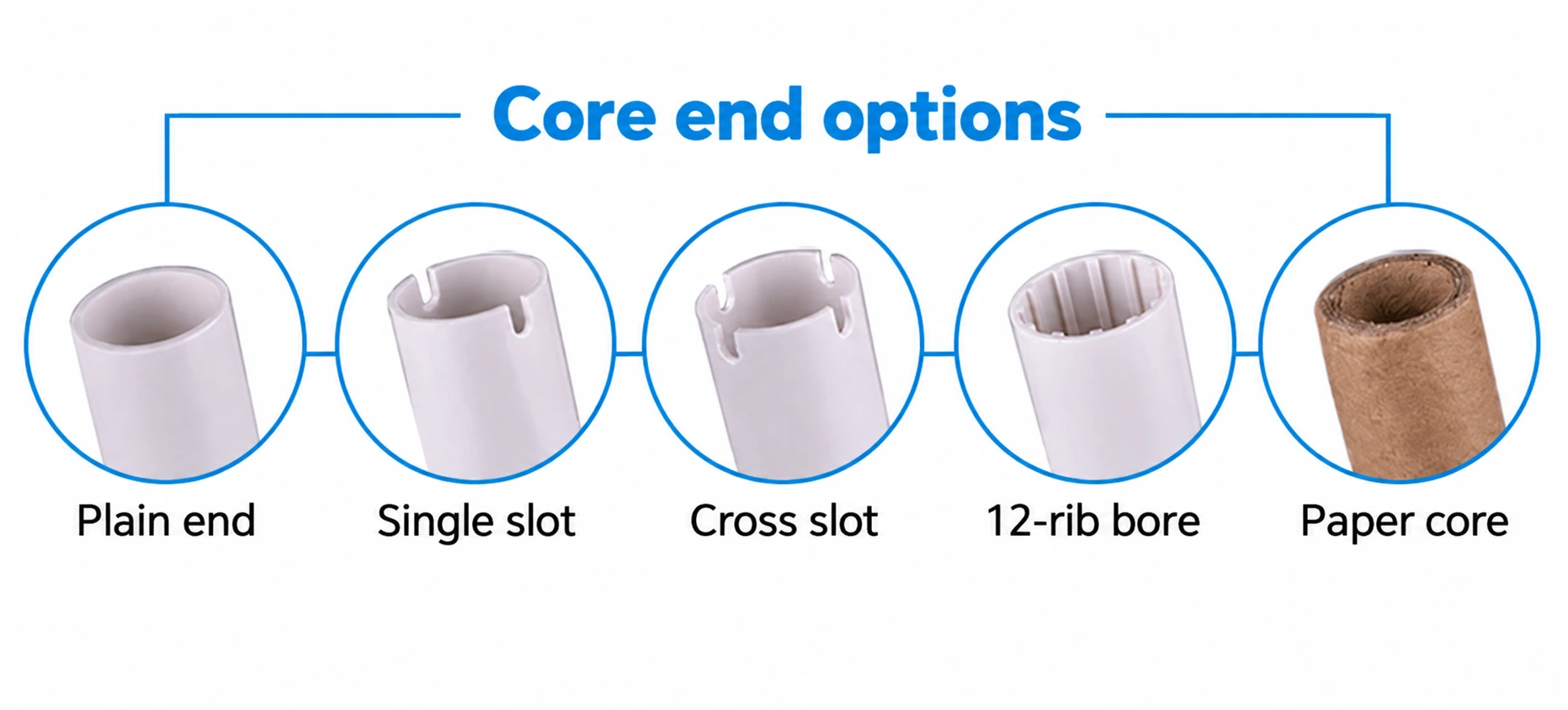
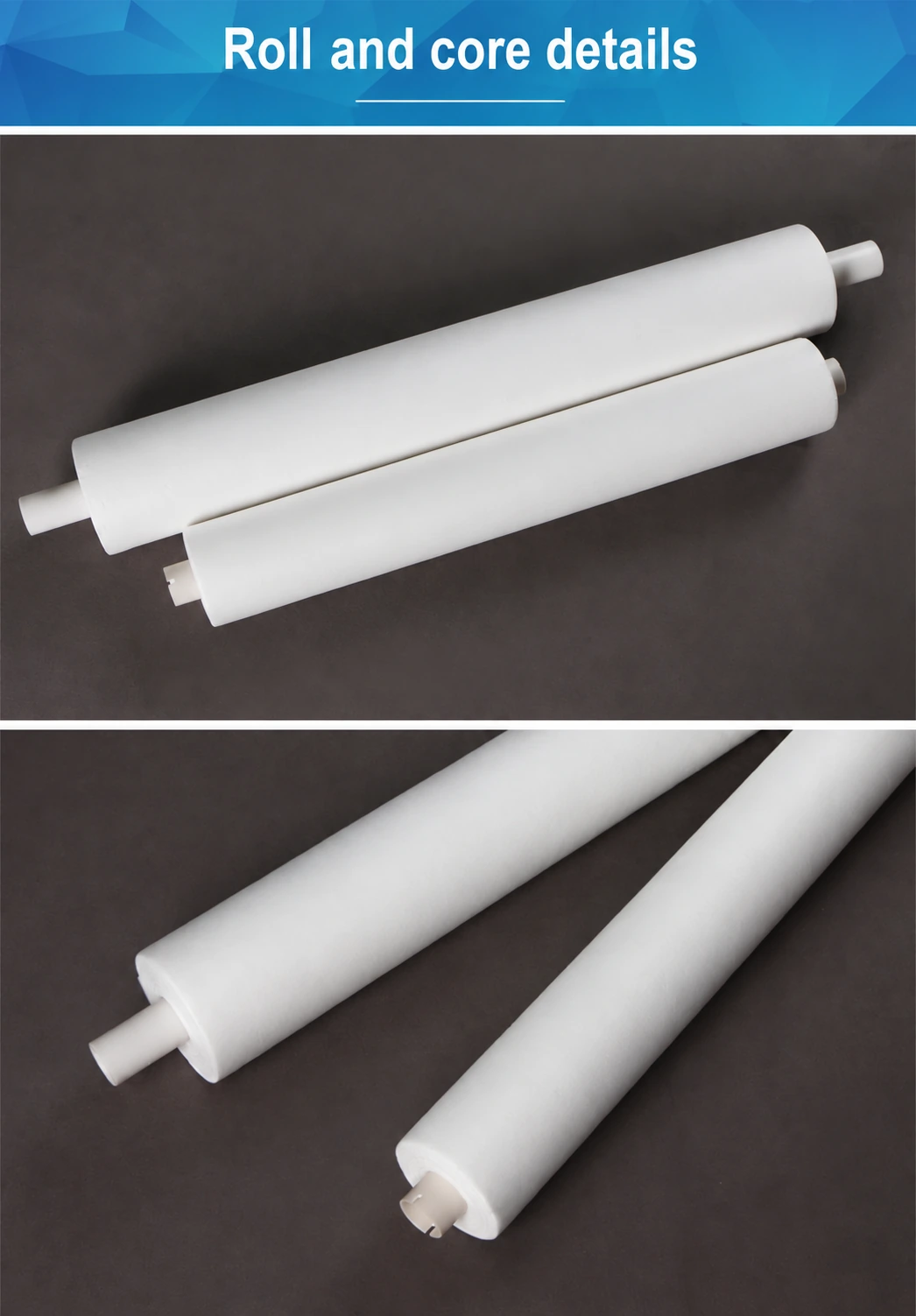
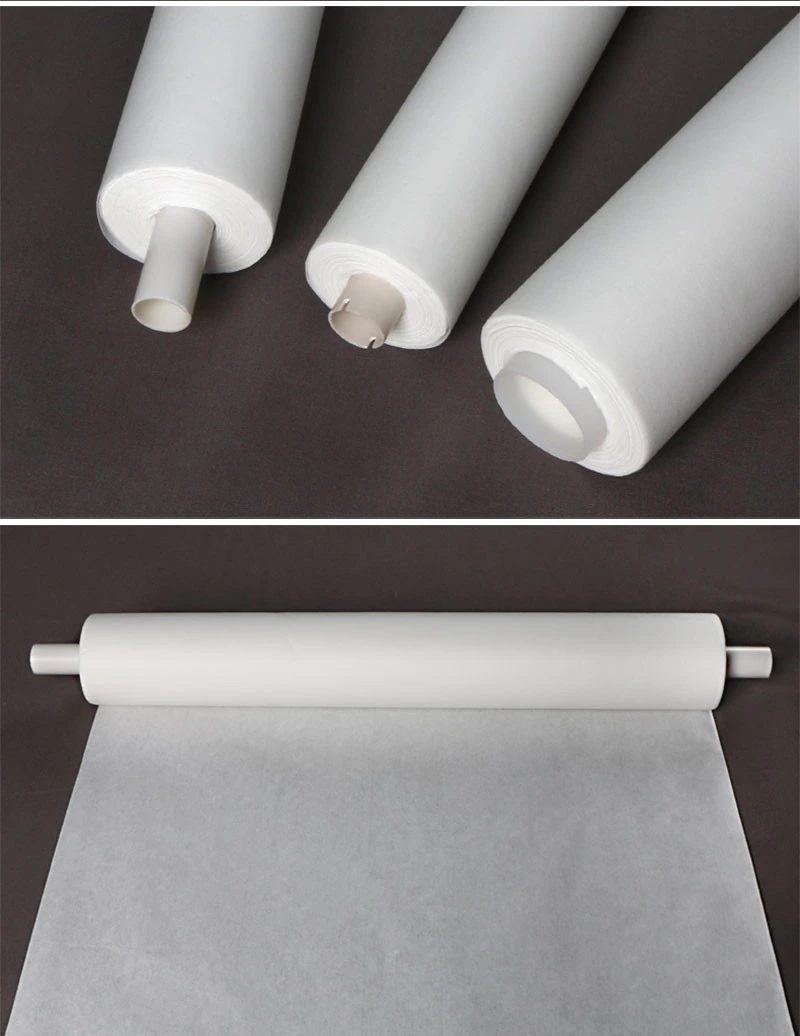
Plain, single-slot, cross-slot and ribbed cores use different mounting arrangements. The photographs show available format types across the roll range. Confirm the selected construction, bore, end dimensions and winding position for the individual order.
Printer-family format guide
These format combinations are provided for checking conversion requirements. A printer brand can use several cleaning assemblies: verify the exact model and installed cassette before selecting a row. Dimensions are core length, core inner diameter, paper width and wound paper length; they do not specify the complete slot geometry or guarantee fit.
| Printer family | Core length (mm) | Core ID (mm) | Paper width (mm) | Paper length (m) | Core / end |
|---|---|---|---|---|---|
| MPM | 455 | 19.5 | 250 | 10 | 12-rib bore / plain end |
| MPM | 455 | 19.5 | 280 | 10 | 12-rib bore / plain end |
| MPM | 455 | 19.5 | 200 | 10 | 12-rib bore / plain end |
| MPM | 455 | 19.5 | 350 | 10 | 12-rib bore / plain end |
| JUKI | 270 | 38 | 200 | 10 | Plastic / plain end |
| JUKI | 408 | 38 | 250 | 10 | Plastic / plain end |
| YAMAHA | 535 | 26 | 500 | 13 | Paper / plain end |
| YAMAHA | 360 | 25.5 | 350 | 10 | Paper / plain end |
| YAMAHA | 420 | 25.5 | 400 | 10 | Paper / plain end |
| DEK | 530 | 19.6 | 250 | 10 | Plastic / single slot |
| DEK | 530 | 19.6 | 300 | 10 | Plastic / single slot |
| DEK | 530 | 19.6 | 400 | 10 | Plastic / single slot |
| DEK | 530 | 19.6 | 490 | 10 | Plastic / single slot |
| DEK | 530 | 19.6 | 510 | 10 | Plastic / single slot |
| SONY | 280 | 19.6 | 260 | 20 | Plastic / single slot |
| MINAMI | 290 | 8 | 270 | 15 | Plastic / single slot |
| MINAMI | 410 | 8 | 350 | 10 | Plastic / single slot |
| FUJI | 500 | 26 | 500 | 10 | Plastic / single slot |
| GKG | 410 | 19.6 | 400 | 10 | Plastic / plain end |
| KME | 480 | 38 | 480 | 20 | Plastic / cross slot |
Roll dimensions, core configuration and packaging can be customized to the application and approved machine interface.