Product overview
Absorbent Sponges & Rollers
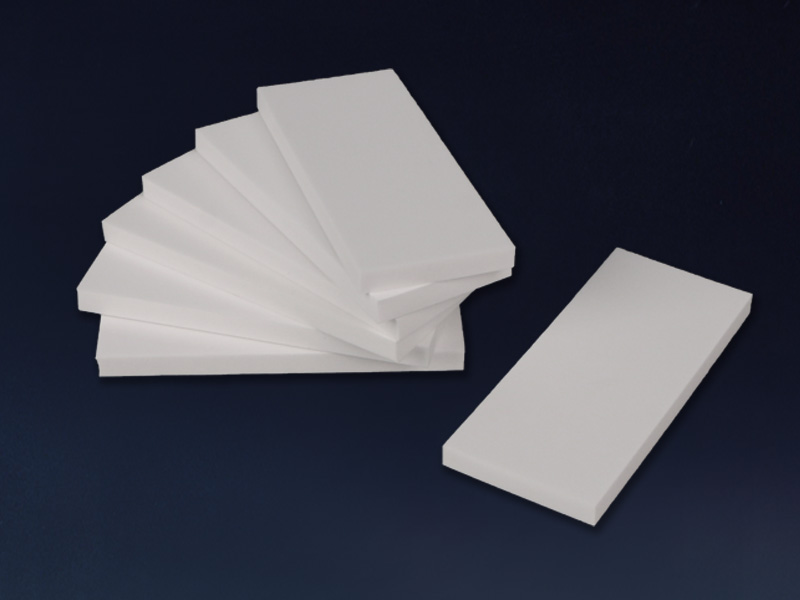
PU Absorbent Sponge Sheet 20 Degree 70 x 30 x 5 mm
| Material | PU sponge |
|---|---|
| Form | Rectangular sponge sheet |
| Catalogue size designation | 70 × 30 × 5 mm; 20-degree designation |
| Use | Water absorption and process cleaning |
| Listed packing | 25 pieces/pack |
| Customization | Dimensions and assembly details by agreement |
The 10-degree / 20-degree designation has no stated hardness scale. Confirm the test scale and conditioned dimensions before comparing grades.
Sponge dimensions, core arrangement and material grade can be customized for the process.
This PU sponge sheet shares a compact rectangular format with a distinct 20-degree material designation. It offers a separate grade option when contact firmness and recovery are part of the selection process.
Compare grades under the same conditions
A grade number is meaningful only with its test method and conditioning. Confirm the hardness scale, wet or dry state and measurement procedure before comparing the 20-degree sheet with a 10-degree alternative.
Evaluate the actual contact impression rather than assuming a higher number will always improve cleaning. A firmer contact may behave differently on an uneven or delicate surface.
Define the sheet's working cycle
Consider pickup, release and renewal together. A sheet that collects liquid successfully can still leave residue if it remains saturated between cycles. Establish how it is drained, cleaned or replaced in the fixture.
Inspect the full face and edges during servicing. Confirm dimensional tolerances and retention details where the sheet is used as a fitted consumable, and qualify the material with the process fluid before routine use.
Material data
| Hardness designation | 5–70; test scale unspecified |
|---|---|
| Pore diameter | 15–100 µm |
| Tensile strength | 120 kPa |
| Porosity | 75–90% |
| Water-retention value | 300–400%; test basis unspecified |
| Heat-resistance values | 130 °C in air; 100 °C in water |
These material-level values support grade comparison; they are not guaranteed finished-roller test results. Confirm the test method, conditioning and allowable operating conditions for the selected grade. Chemical compatibility must be assessed for the actual fluid, concentration and temperature.
Sponge dimensions, core arrangement and material grade can be customized for the process.