Product overview
Absorbent Sponges & Rollers
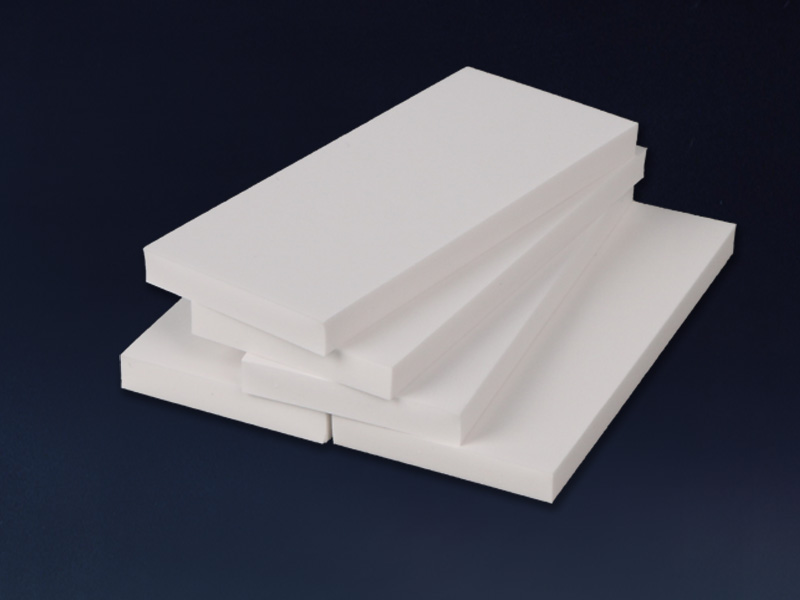
PU Absorbent Sponge Sheet 10 Degree 70 x 30 x 5 mm
| Material | PU sponge |
|---|---|
| Form | Rectangular sponge sheet |
| Catalogue size designation | 70 × 30 × 5 mm; 10-degree designation |
| Use | Water absorption and process cleaning |
| Listed packing | 25 pieces/pack |
| Customization | Dimensions and assembly details by agreement |
The 10-degree / 20-degree designation has no stated hardness scale. Confirm the test scale and conditioned dimensions before comparing grades.
Sponge dimensions, core arrangement and material grade can be customized for the process.
The rectangular PU sponge sheet provides a flat absorbent contact face. This version carries the 10-degree grade designation and can be selected around the pressure, support and liquid load of a particular fixture or manual operation.
Support the sheet without sealing the working face
A thin sheet needs a suitable holder or backing if it must remain flat. Confirm how it is retained and how collected liquid is released. Adhesive, clamping or excessive edge pressure can alter the usable contact area.
The 10-degree designation must be matched to an agreed hardness test scale before comparing it with another supplier's material. It is not a temperature rating.
Assess compression recovery
Trial the sheet under the actual contact load and dwell time. It should recover sufficiently for the repeated operation without leaving a permanently compressed track. Check fluid compatibility and the effect of cleaning on the surface.
Use clean cutting and handling practices if the sheet is further shaped. Remove cutting debris before introducing the part into a particle-sensitive operation, and define replacement criteria for torn edges, embedded contamination or loss of recovery.
Material data
| Hardness designation | 5–70; test scale unspecified |
|---|---|
| Pore diameter | 15–100 µm |
| Tensile strength | 120 kPa |
| Porosity | 75–90% |
| Water-retention value | 300–400%; test basis unspecified |
| Heat-resistance values | 130 °C in air; 100 °C in water |
These material-level values support grade comparison; they are not guaranteed finished-roller test results. Confirm the test method, conditioning and allowable operating conditions for the selected grade. Chemical compatibility must be assessed for the actual fluid, concentration and temperature.
Sponge dimensions, core arrangement and material grade can be customized for the process.