Operating Room Fixtures
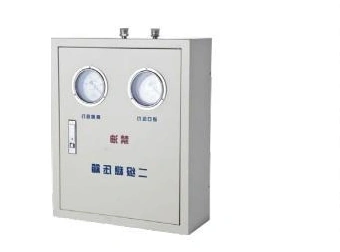
Medical Gas Pressure Regulator Box
| Specification | Configuration options |
|---|---|
| Brand | shengtongJH |
| Enclosure size, W × H × D (mm) | 570 × 400 × 160; enclosure size configurable |
| Regulating arrangement | Single service; bypass or duty/standby arrangement by project |
| Gas-side construction | Gas-compatible brass regulator and approved pipework |
| Inlet pressure selection | 0.6–0.8 MPa system configuration |
| Outlet setting selection | 0.35–0.6 MPa adjustable configuration; matched to gas service |
| Indication | Inlet / outlet gauges; alarm interface optional |
| Installation | Accessible wall enclosure; identified gas service |
Dimensions and configurations can be customized for your application.
Provide a defined pressure-reduction point in the medical gas distribution system, with readable gauges and accessible service components.
Set the downstream condition deliberately
A pressure regulator reduces supply pressure to the level required by the downstream distribution arrangement. Its selection depends on the gas, available inlet pressure, expected demand and permissible pressure variation. The enclosure provides a convenient location for indication and access; it does not make an incorrectly selected regulator suitable for a medical gas service.
Confirm the required pressure at the delivery points as well as the pressure at the regulator. Pipe length, simultaneous demand and downstream restrictions can create different conditions during use. A reading taken with no flow does not demonstrate performance at peak demand.
Plan normal operation and service separately
The normal flow path should be clear from the labels and valve arrangement. If a bypass or redundant regulator is needed, define how maintenance will take place without an unintended interruption or an unregulated supply. Gas-specific components and connections must be selected for the actual service; a general industrial regulator is not an interchangeable substitute.
Gauges need an unobstructed viewing position. A remote alarm can help staff recognize an abnormal condition, but its pressure thresholds, supply and destination must be coordinated with the facility's gas-system design. Keep local indication available where maintenance personnel will use it.
Leave room for verification and replacement
Place the box where authorized personnel can reach valves and remove components. Concealing it behind permanent furniture or a sealed wall panel turns a serviceable assembly into a maintenance problem. The installation must be commissioned by competent medical-gas specialists, including the checks required for gas identity, leakage, pressure and connected alarm functions.
The displayed settings are selectable system configurations rather than a universal prescription for every gas or clinical device. Enclosure layout, regulator arrangement and monitoring interfaces can be customized to the specified medical gas network.