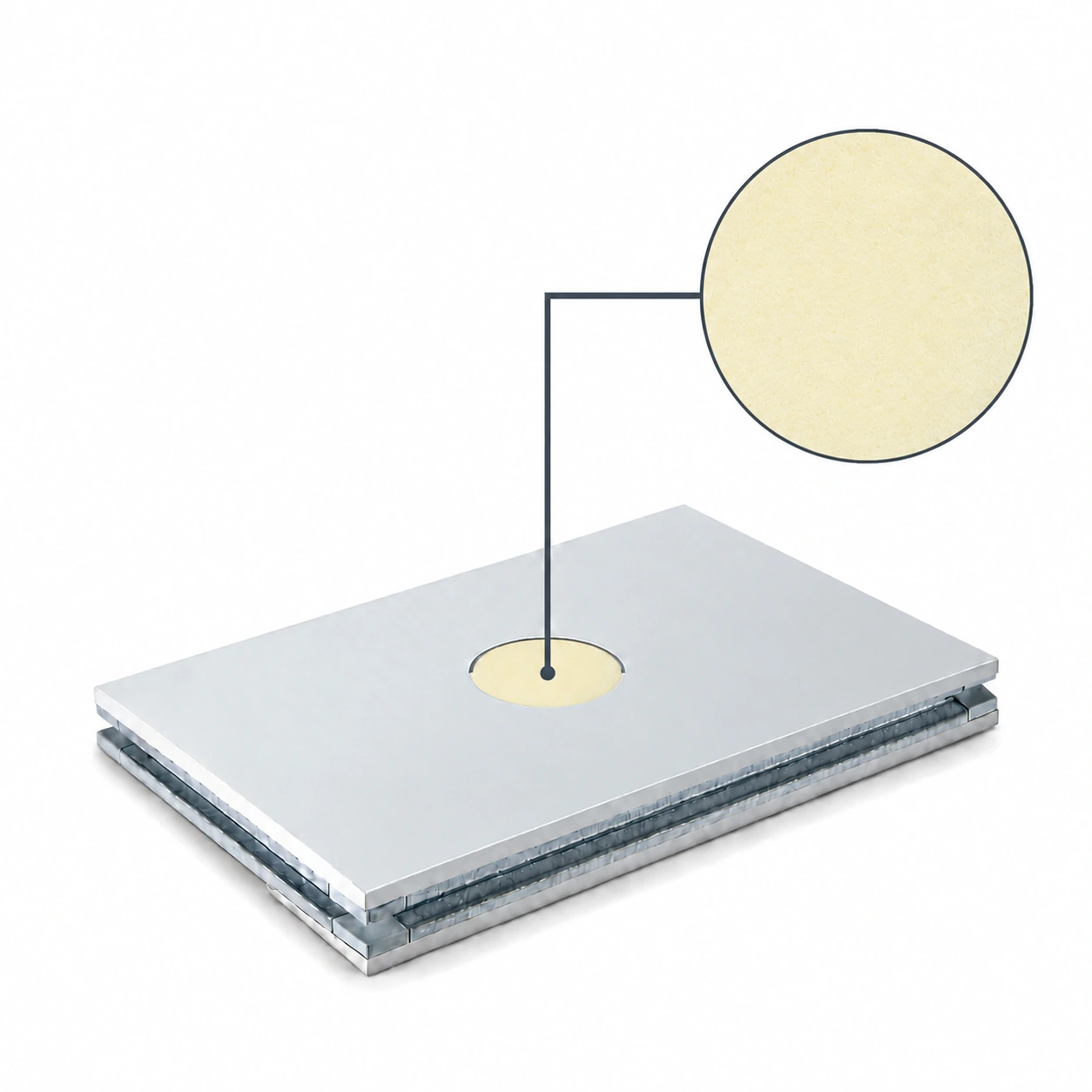
Cold Room Panels
insulated wall panels for cold storage
| Brand | shengtongJH |
|---|---|
| Use | New cold-storage walls and coordinated refurbishment |
| Core choices | PUR / PIR |
| Width | 1140 mm |
| Thickness options | 75 / 100 / 150 / 200 mm |
| Facing options | PPGI / SS304 stainless steel |
| Connections | Interlocking edges; surveyed perimeter transitions |
| Lengths | Cut to surveyed elevations and access route |
Panel dimensions, surface finish and connection details can be configured for your application.
Insulated wall panels can form a new cold-storage room or replace a damaged section of an existing enclosure. For refurbishment, the difficult part is often the connection to what remains: floor, ceiling, doors and older panel joints.
Replacing an existing wall
Measure the actual panel profile, support positions and perimeter details before choosing a replacement. Matching nominal thickness does not guarantee that new and old edges will engage. A designed transition may be needed where the original profile is unavailable.
Investigate why the wall failed. A recurring impact, leaking floor junction or unsuitable cleaner can damage the replacement in the same way unless the operating cause is addressed.
Building a new room
Define the internal clear space, wall build-up and traffic routes together. Reserve room for equipment servicing and protective barriers before setting the external footprint. Coordinate the insulation boundary with the door and ceiling instead of treating the walls as an isolated order.
Plan the temporary condition
Removing a wall changes temperature control and access while the work is underway. Establish how stock will be protected, where installation materials will be stored and when the new section can be sealed. Cutting and fastening should be organised so debris does not enter an operating storage area.
For partial replacement, define exactly where sound existing material ends and the new assembly begins. Concealing a wet or damaged edge behind a trim can leave the underlying problem in place.
Inspect the connection before returning to service
Check joint engagement, perimeter seals and closures around services. Confirm that the repair has not restricted door operation or maintenance access. Retain the selected panel and joint information for future work.
The appropriate panel thickness follows the temperature conditions and enclosure design; it should not be chosen solely to match a visual sample. shengtongJH can coordinate cut lengths, surface options and transition accessories for the refurbishment or new-room scenario.