Cleanroom Tables, Benches & Stools
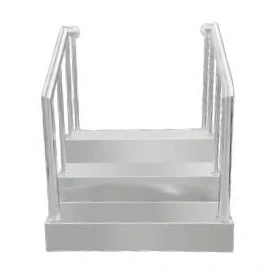
Stainless Steel Access Steps
| Specification | Configuration options |
|---|---|
| Brand | shengtongJH |
| Material | 304 stainless steel |
| Platform height (mm) | 500 / 750 / 1000 |
| Platform clear W × D (mm) | 500 × 500 / 600 × 600 / 800 × 600 |
| Tread surface | Slip-resistant surface selected for footwear and cleaning method |
| Handrails | Side handrails and guard arrangement to suit access |
| Base | Fixed supports; movable arrangement separately specified |
| Installation | Task-specific anchoring, load and clearance design |
| Customization | Rise, platform size, tread geometry and handrail layout |
Dimensions and configurations can be customized for your application.
Replace improvised climbing on stools or furniture with an access arrangement designed around the task and standing position.
Reach the work without an improvised platform
Access steps provide a defined route to a standing position for inspection, operation or servicing above normal floor level. The stainless construction suits facilities that need cleanable equipment, while side rails can help users maintain support as they climb. Select the platform height from the task being reached, not simply from the height of the machine.
The user should be able to work without leaning excessively beyond the platform. Include the space taken by tools and protective clothing, and consider whether both hands will be needed at the work point. A platform may need a different size or position from a simple step used only for brief access.
Resolve the safety details together
Rise, tread depth, handrails, edge protection and support stability form one design decision. Do not combine isolated dimensions and assume they establish compliance. The installation must meet applicable access requirements and be assessed for the intended user load, working conditions and surrounding hazards.
Check floor level, nearby doors and the clearance above the user's head. If a movable version is selected, it needs a defined way to become stable before use; casters alone are not an adequate working support. Keep access equipment away from energized or moving machinery unless the work has been safely controlled.
Preserve grip and stability during use
Match the tread surface to the footwear and likely moisture. Cleaning residues, worn pads and accumulated debris can change grip. Inspect handrail joints, feet and tread condition regularly, and remove damaged steps from use rather than compensating with temporary packing.
Plan where the unit is parked so it does not block circulation when unused. The platform, handrails and access direction can be customized to the equipment and maintenance routine, with structural and installation requirements established for that configuration.