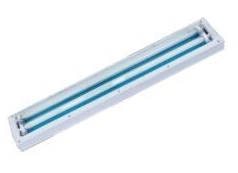
Protected linear light
Cleanroom Lighting
Hazardous-Area Linear Light
| Specification | Configuration options |
|---|---|
| Brand | shengtongJH |
| Nominal length options (mm) | 600 / 1200 |
| Light-source options | Fluorescent 18 W / 36 W formats or compatible LED assembly |
| Housing | Protective metal or engineered polymer enclosure |
| Mounting | Fixed brackets or approved suspension |
| Electrical supply | Selected for the destination circuit and certified assembly |
| Selection basis | Area classification, gas/dust group, temperature class and ambient conditions |
| Cable entry | Matched glands, sealing and wiring method |
| Documentation | Exact assembly approval and installation instructions required for classified use |
Dimensions and configurations can be customized for your application.
Specify the complete lighting assembly for the classified area, with construction and documentation matched to the actual gas or dust hazard.
The hazard classification comes before the fixture
A hazardous-area light must be selected against the classification of the location where it will be installed. Gas or vapour risks and combustible-dust risks are different. The relevant group, temperature limits and ambient conditions determine which complete assembly can be used.
The enclosure's appearance is not evidence of suitability. A substantial metal body or a covered lamp may look robust without having the protection required for a classified location. Obtain the documentation for the exact selected assembly and match it to the project specification.
Keep every part of the protection arrangement compatible
The luminaire, driver or ballast, glands, seals and installation method work together. Replacing a lamp or driver with a physically similar item can change the assembly's characteristics. Use compatible approved components and follow the instructions that apply to that configuration.
For refurbishment, compare a documented retrofit arrangement with a complete luminaire replacement. A generic LED tube should not be assumed to preserve the suitability of an existing hazardous-area fitting. The decision needs the equipment documentation and the location's requirements.
Plan light and maintenance access together
Position the fixtures to illuminate the work without creating inaccessible service points above process equipment. Maintenance in a classified area requires appropriate isolation and work procedures. Covers, joints and cable entries must remain in their intended condition after servicing.
A protected linear construction does not establish a universal approval for every installation. Length, light source and mounting can be configured around the project, while any classified-area use remains dependent on the documented assembly selected.